Key Differences Between Coagulation and Flocculation Processes
Introduction
Coagulation and flocculation are two fundamental processes in water treatment that play a crucial role in removing suspended particles and impurities from water. While they often work hand-in-hand, their mechanisms and purposes are distinct. Understanding the difference between coagulation and flocculation is essential for anyone interested in water purification systems.
What is Coagulation?
Coagulation is the initial step in the water treatment process where chemicals, known as coagulants, are added to water to destabilize suspended particles. These particles, often negatively charged, repel each other and remain dispersed in water. Coagulation neutralizes these charges, allowing the particles to come together and form small clumps.
The most common coagulants used in water treatment include aluminum sulfate (alum), ferric chloride, and polyaluminum chloride (PAC). The process is crucial for removing turbidity, color, and organic matter from water.
Key Features of Coagulation:
- Neutralizes charges on particles.
- Forms microflocs or small clumps.
- Prepares particles for the next step: flocculation.
_01.png)
What is Flocculation?
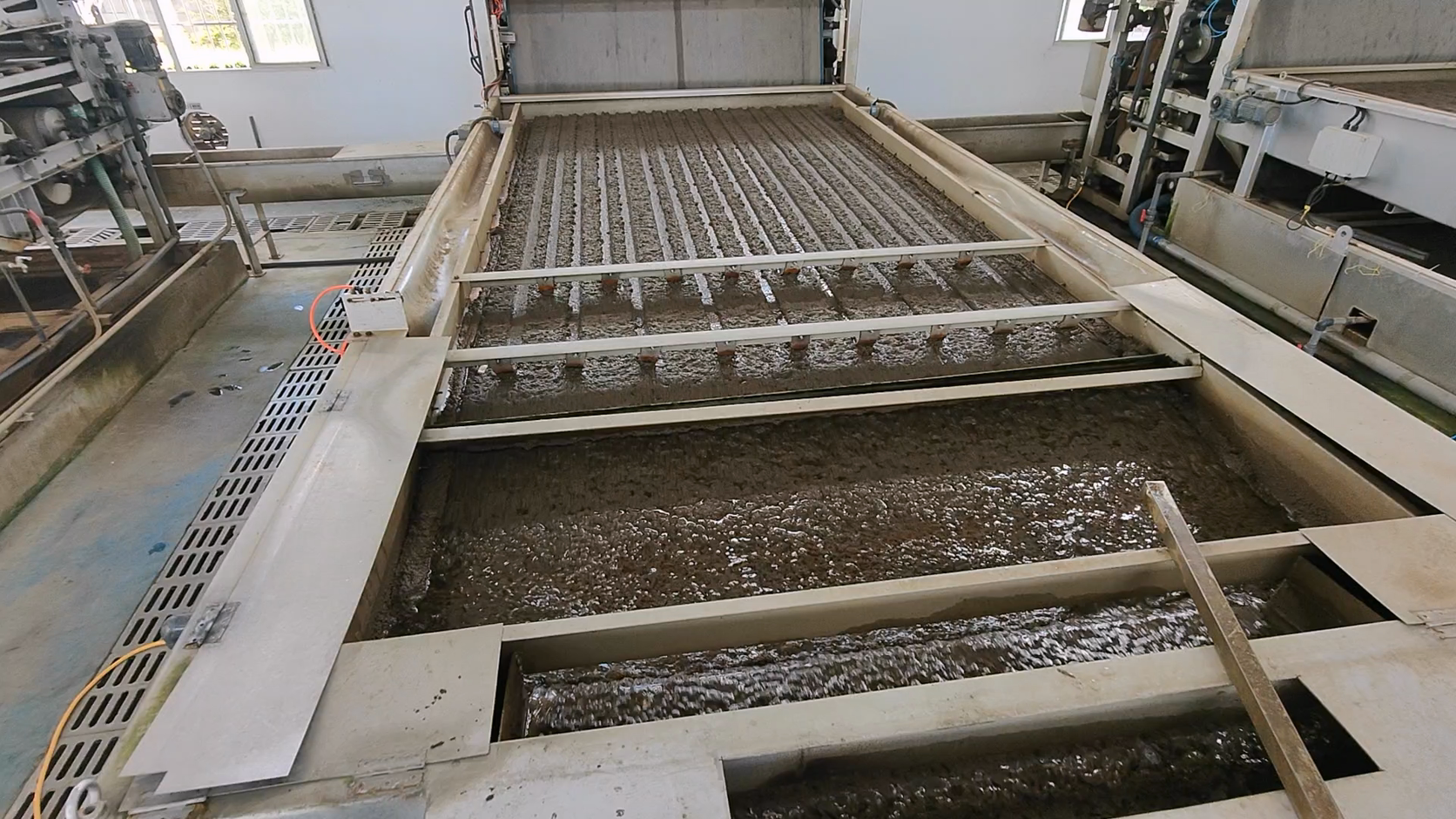
Flocculation is the subsequent step that follows coagulation. It involves the gentle mixing of water to encourage the formation of larger, visible clumps called flocs. This process is facilitated by the addition of flocculants, which are polymers that help bind the microflocs together.
The flocculation process is slower and more controlled to ensure that the flocs grow in size without breaking apart. These larger flocs are easier to remove by sedimentation, filtration, or other separation methods.
Key Features of Flocculation:
- Encourages the growth of larger flocs.
- Uses polymers as flocculants.
- Prepares water for sedimentation or filtration.
Main Differences Between Coagulation and Flocculation
| Aspect | Coagulation | Flocculation |
|---|---|---|
| Definition | Neutralizes charges on particles to form microflocs. | Encourages the growth of larger flocs by gentle mixing. |
| Chemicals Used | Coagulants (e.g., alum, ferric chloride). | Flocculants (e.g., polymers). |
| Process Speed | Relatively fast. | Slower and more controlled. |
| Purpose | Destabilizes particles to form small clumps. | Forms larger clumps for easier removal. |
Conclusion
In summary, coagulation and flocculation are two complementary processes that ensure effective water treatment. Coagulation focuses on destabilizing suspended particles, while flocculation helps aggregate these particles into larger flocs for removal. Understanding these processes is essential for maintaining clean and safe water systems.
By mastering these steps, water treatment facilities can significantly improve the quality of treated water, making it safe for consumption and other uses.
About the Author